

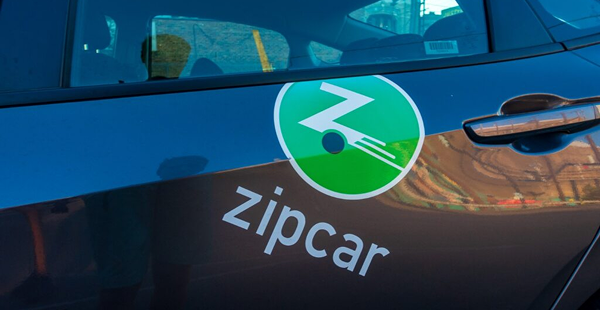
As of January 2026, Zipcar has officially exited the UK market. The car-sharing service stopped operating at the end of 2025, bringing an end to bookings for hundreds of thousands of Londoners who relied on it for occasional access to vehicles.
For many people, Zipcar provided flexibility without the cost or commitment of owning a car. Since its departure, I’ve spoken to a growing number of former users who are now reassessing how they move around the city when public transport isn’t practical.
I’m Kieron Tarbie, Chief Operating Officer at Pace Van Hire, and I work daily with Londoners and businesses who need short-term vehicle access. Here’s what Zipcar’s exit means now, and the practical steps I recommend taking in 2026.
Why Did Zipcar Leave the UK?
Zipcar left the UK because rising costs made large-scale car sharing increasingly difficult to sustain in London.
From my experience in the rental sector, several long-term pressures contributed to the decision:
Higher congestion charges
Increasing parking restrictions
Rising maintenance and operational
costs
The challenge of managing vehicles
spread across the city
Car-sharing works best when infrastructure is supportive and costs are predictable. In London, those conditions became
harder to maintain, particularly for operators running fleets without fixed depots.
What Zipcar’s Exit Means for Londoners in 2026
Zipcar’s closure has left a gap for people who want vehicle access without owning a car.
Many former users relied on Zipcar for:
1. Moving home
2. Weekend DIY or furniture collection
3. Small business or self-employed work
4. Occasional journeys public transport can’t cover
We’ve seen more people prioritising reliability and certainty, knowing that when they book a vehicle, it will be available,
in the right place, at the right time.
What to Do If You Were Affected by Zipcar’s Closure
1. Check That All Refunds Have Been Processed
Zipcar stated that paid members would receive refunds for any unused subscription period after 31 December 2025.
If you haven’t yet:
- Check your bank or card statements
- Search your email for refund confirmations
- Follow up if a refund hasn’t been received
Given the volume of users affected, delays were common.
2. Review How Often You Actually Need a Vehicle
Before choosing a replacement, it’s worth
reassessing your usage:
- Do you need a vehicle weekly, monthly or just a few times a year?
- Are most journeys practical tasks rather than casual trips?
This helps determine whether short-term rental, longer-term hire or another solution is best for you.
3. Book Alternative Vehicles Earlier Than You Used To
If you know you’ll need a vehicle for:
- Moving house
- Business or trade work
- Weekend projects
I’d strongly recommend booking earlier than you might have done previously, especially during busy periods.
4. Compare the Real Cost of Car Clubs vs Rental
- Hourly charges
- Mileage fees
- Membership subscriptions
Many former Zipcar users discover that a full-day rental works out cheaper than several hours of car-club use, particularly for longer or more practical journeys.
5. Choose Fixed-Location Pickup for Reliability
- Moved
- Unavailable
- Taken out of service at short notice
6. Allow Extra Time While the Market Adjusts
The shared-mobility landscape is still settling following Zipcar’s departure.
Availability across London can vary depending on demand, so I always advise:
- Allowing buffer time
- Confirming bookings in advance
- Having a backup option for essential journeys
7. Renting vs Owning a Car in London
Despite Zipcar leaving the UK, owning a car still isn’t the right answer for many Londoners.
- Insurance costs
- MOTs and servicing
- Parking permits
- Depreciation
What Are the Best Alternatives to Zipcar Now?
Quick Summary
- Confirm all refunds have been received
- Reassess how often you need a vehicle
- Book rentals earlier than before
- Compare full-day rental costs
- Choose fixed-location pickup for reliability
- Avoid rushing into car ownership

About the Author: Kieron Tarbie
Kieron Tarbie is the Chief Operating Officer at Pace Van Hire, having joined the business in 2018 to launch the Croydon branch. Since then, he has played a central role in Pace’s growth, helping expand the company’s operations, strengthen its service standards, and drive its move into B2B van hire. Kieron also oversees Pace’s in-house mechanics workshop, LCV, ensuring the fleet is maintained to the highest standards. With a hands-on approach and deep knowledge of every part of the business, he continues to champion Pace’s commitment to efficiency, customer care, and long-term, sustainable growth.
Share this post
What Are the Best Alternatives to Zipcar Now?

Contact Pace Van Hire
Give us a call on 020 7277 9853 with any questions and we’ll help you hire a van that’s right for you.
Or if you’d prefer to just get started, you can book online and we’ll give you a call back to confirm.